Commercial Window & Glass Film Installation in Atlanta, GA: Performance, Privacy, and Protection
Why Commercial Window & Glass Films Matter in Atlanta’s Climate
Atlanta, GA experiences long, humid summers, strong sunlight exposure, and fluctuating seasonal temperatures. For commercial buildings, this climate can create persistent challenges related to heat gain, glare, energy efficiency, and interior comfort. Large expanses of glass—common in modern office buildings, retail storefronts, healthcare facilities, and educational institutions—magnify these effects.
Commercial window and glass film installation offers a strategic solution that enhances performance without requiring costly window replacement. Architectural films are engineered to improve solar control, reduce glare, increase privacy, and strengthen glass surfaces while maintaining the appearance of the building.
Rather than replacing existing glass systems, professionally installed film is applied directly to interior or exterior glass surfaces. The result is improved environmental control and added functional benefits with minimal disruption to business operations.
In Atlanta’s commercial environment, window and glass films are commonly used to address:
- Excessive interior heat caused by solar gain
- Uncomfortable glare on screens and workstations
- UV exposure that fades flooring, furniture, and displays
- Privacy needs in conference rooms or medical spaces
- Security concerns related to glass breakage
Because many Atlanta businesses operate in glass-heavy environments, window film installation has become an increasingly practical upgrade that improves both performance and aesthetics.
For companies managing multiple properties across the Southeastern United States, film installation also offers consistency. It allows building managers to standardize appearance and energy performance without structural renovation.
Types of Architectural Window Films for Commercial Applications
Not all window films serve the same purpose. Commercial environments often require different film types depending on building orientation, occupant needs, and operational priorities. Selecting the correct film involves evaluating solar exposure, visibility requirements, and safety considerations.
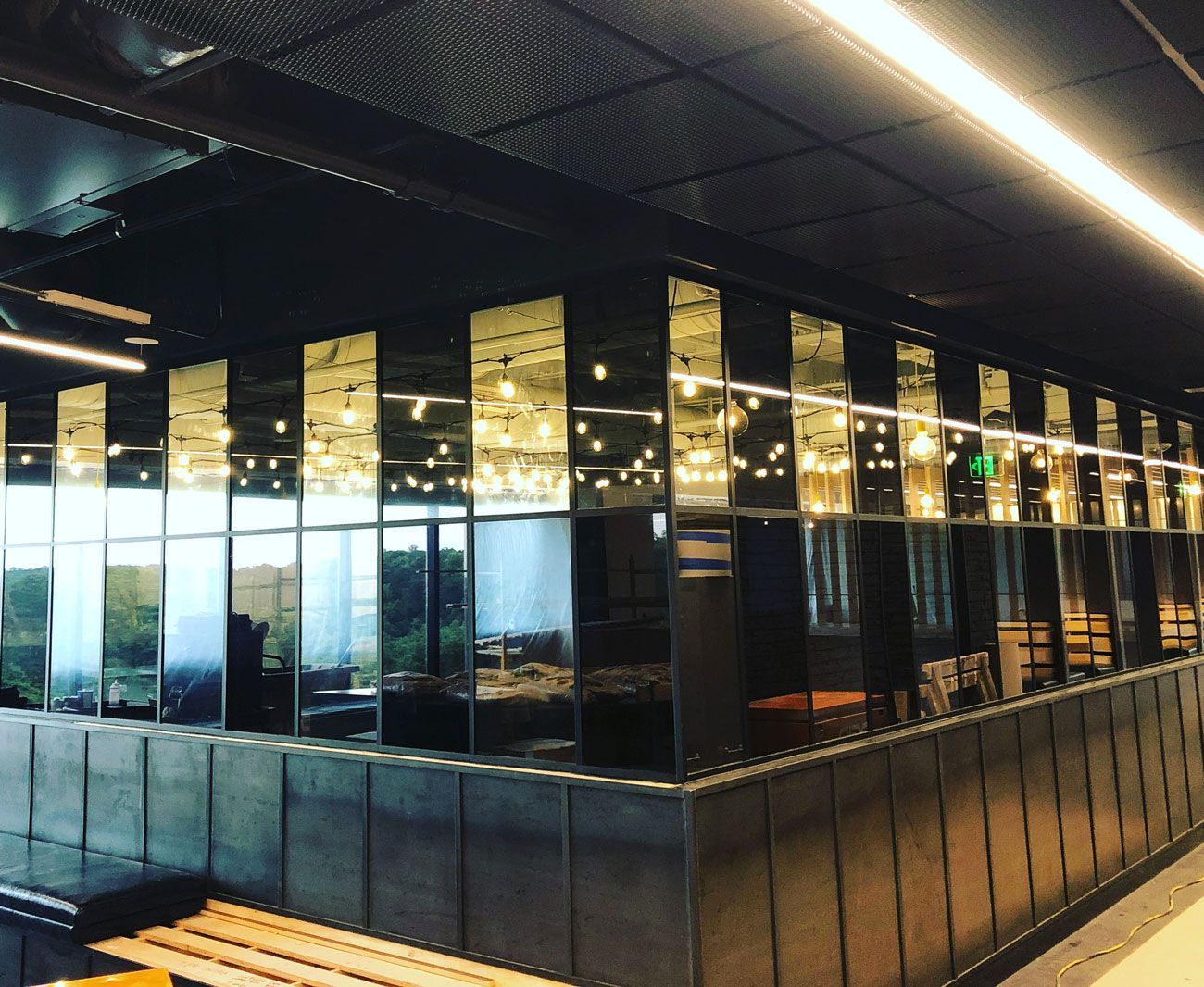
Solar Control Films are among the most common installations in Atlanta commercial properties. These films reduce heat transmission through glass while maintaining natural light. By limiting infrared heat and blocking UV rays, solar films can improve interior comfort and reduce strain on HVAC systems.
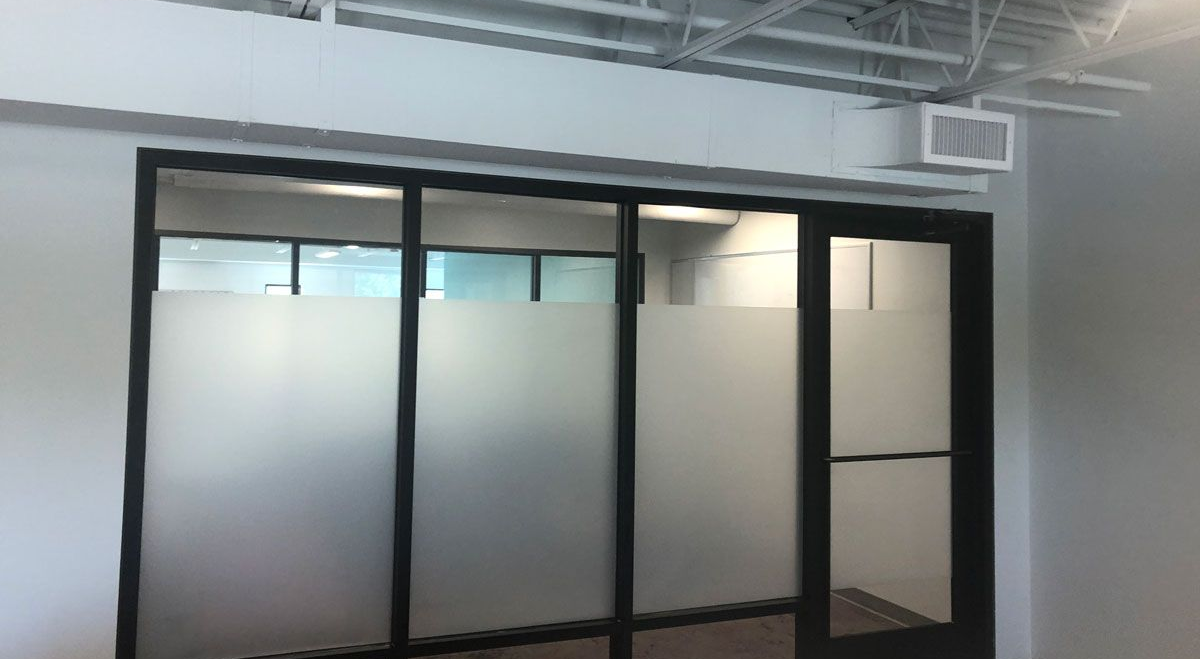
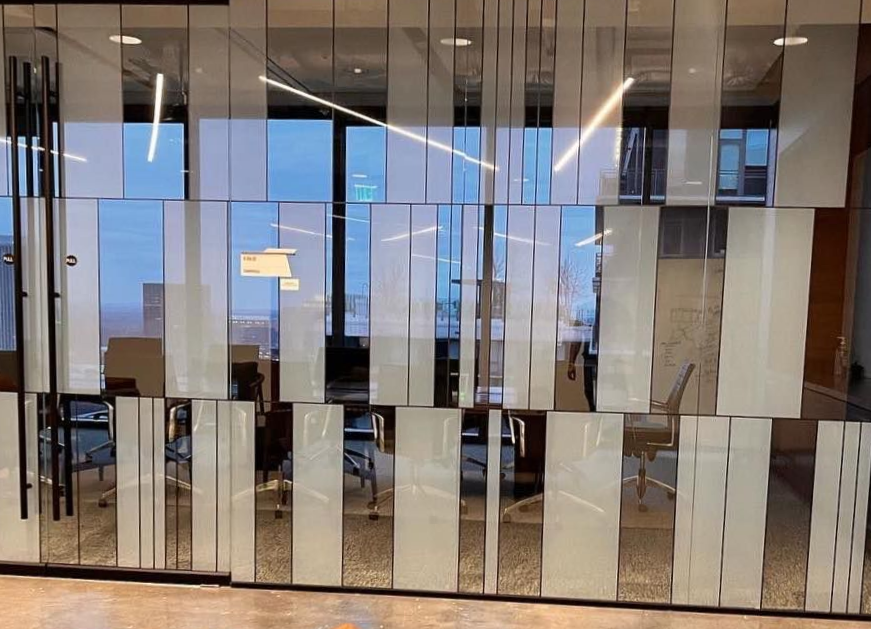
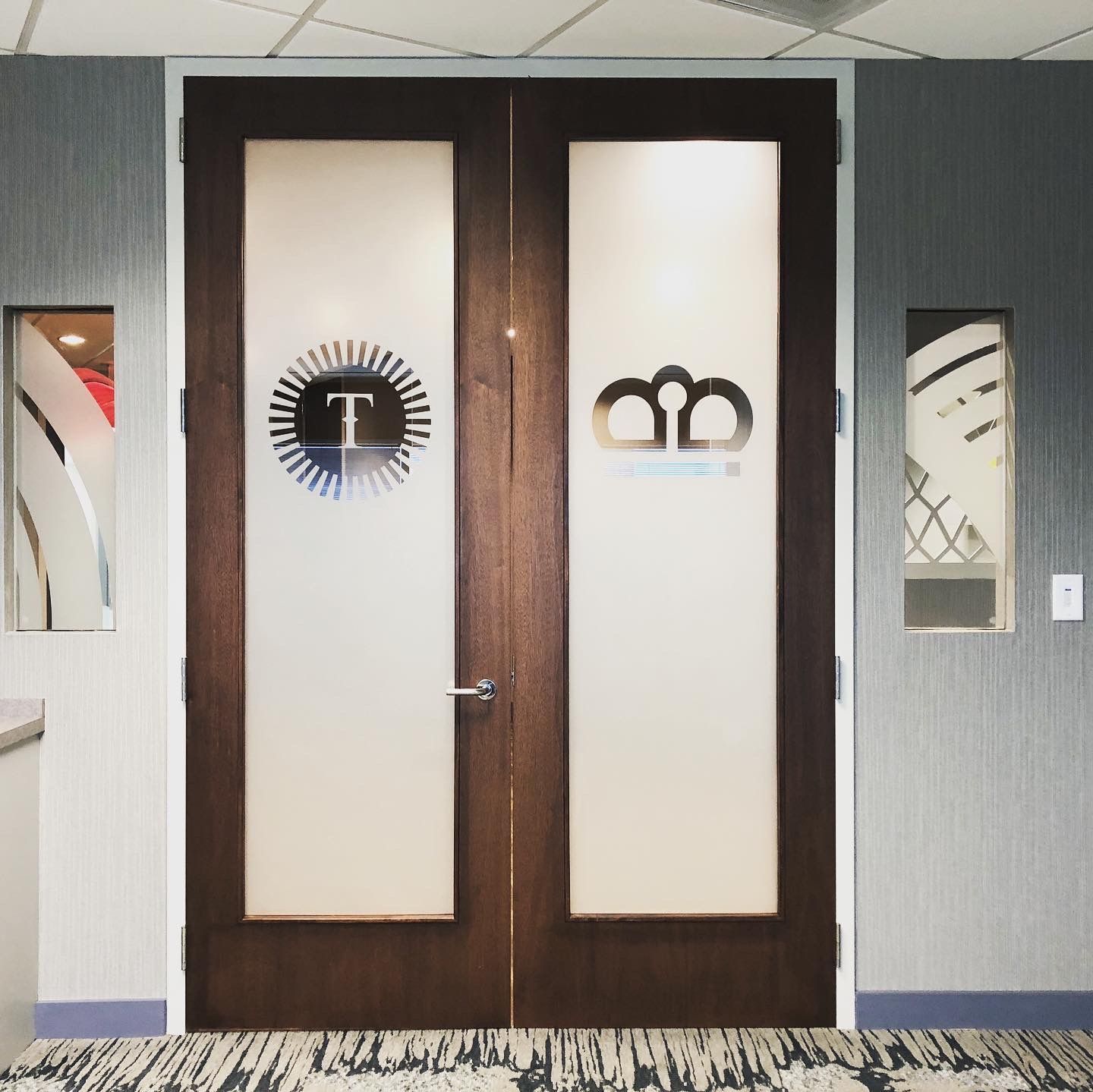
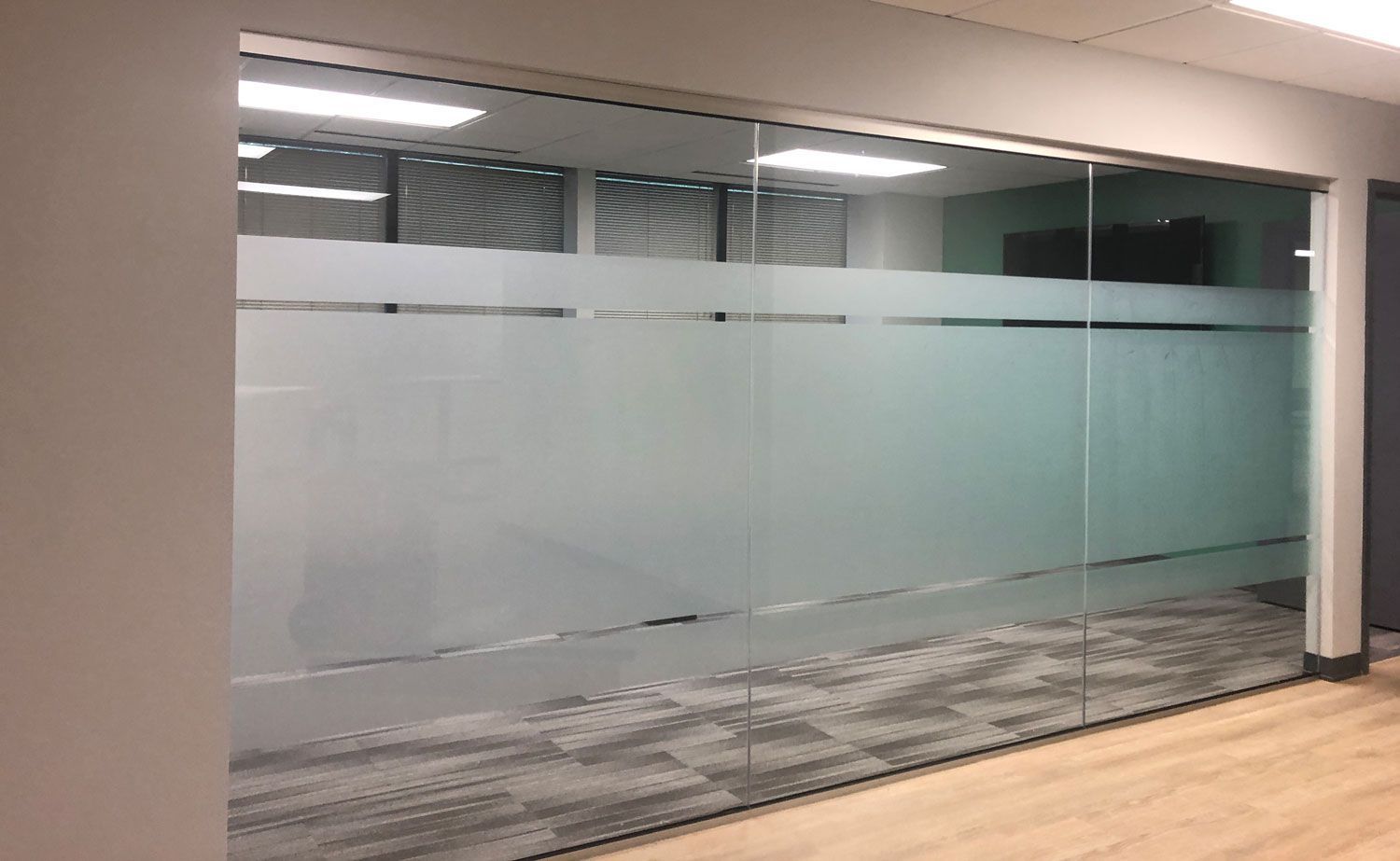
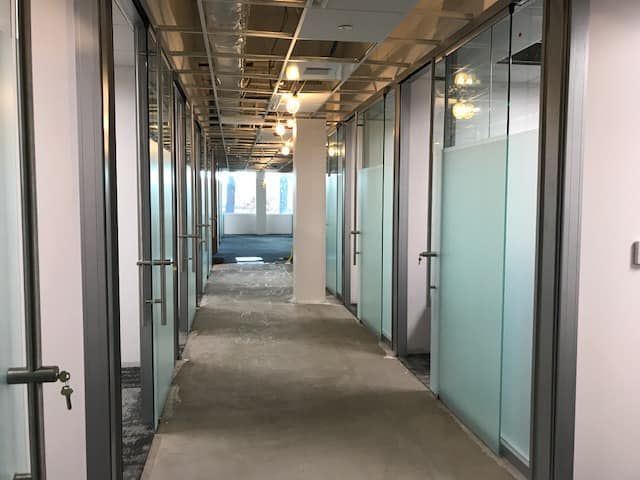
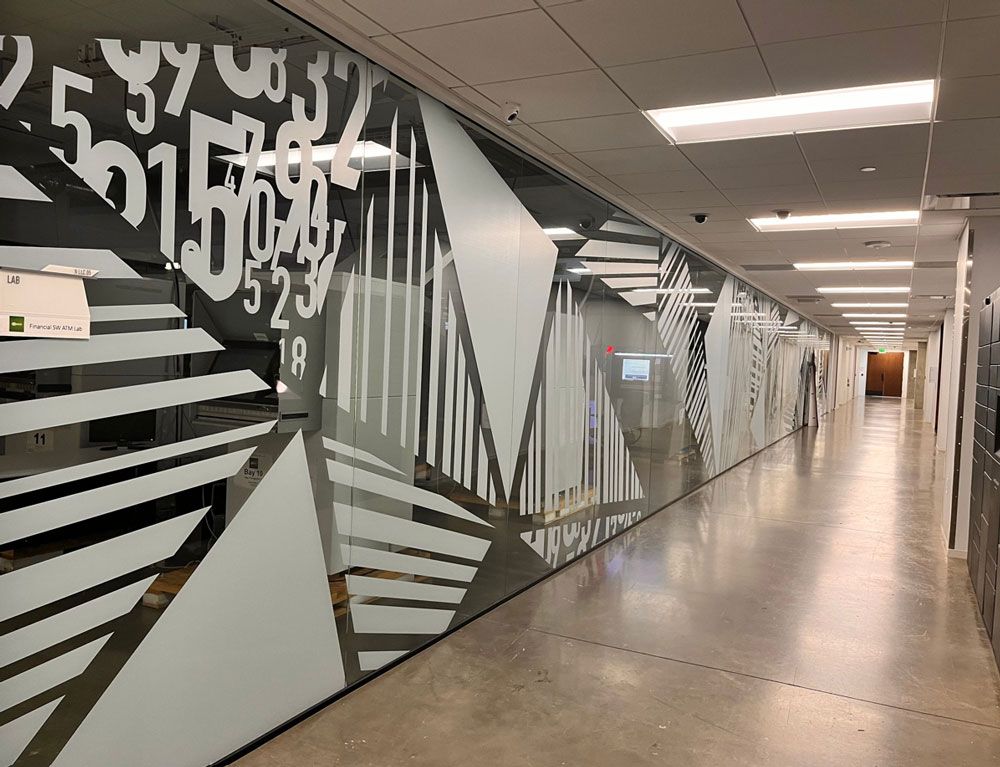
Privacy Films are frequently used in medical offices, financial institutions, conference rooms, and educational settings. Frosted or decorative films create privacy without sacrificing daylight, maintaining an open architectural feel while protecting sensitive spaces.
Security Films reinforce glass surfaces to help hold shattered pieces together in the event of impact. While not bulletproof, these films can reduce injury risk and delay forced entry attempts, making them a valuable layer in broader building security strategies.
Commercial architectural films may provide:
- Up to significant UV reduction to protect interiors
- Glare reduction for improved productivity
- Enhanced privacy without blocking natural light
- Increased shatter resistance for safety
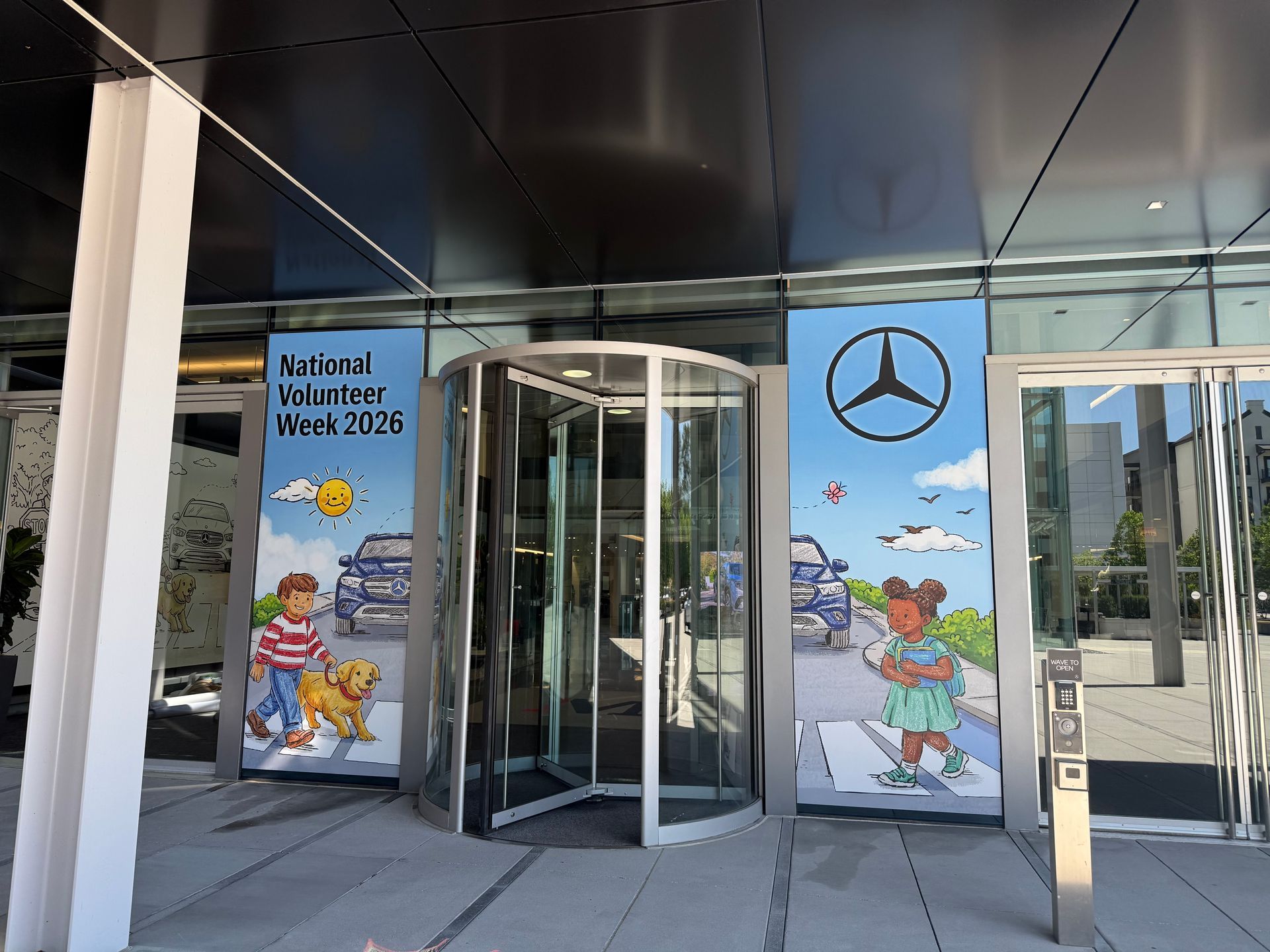
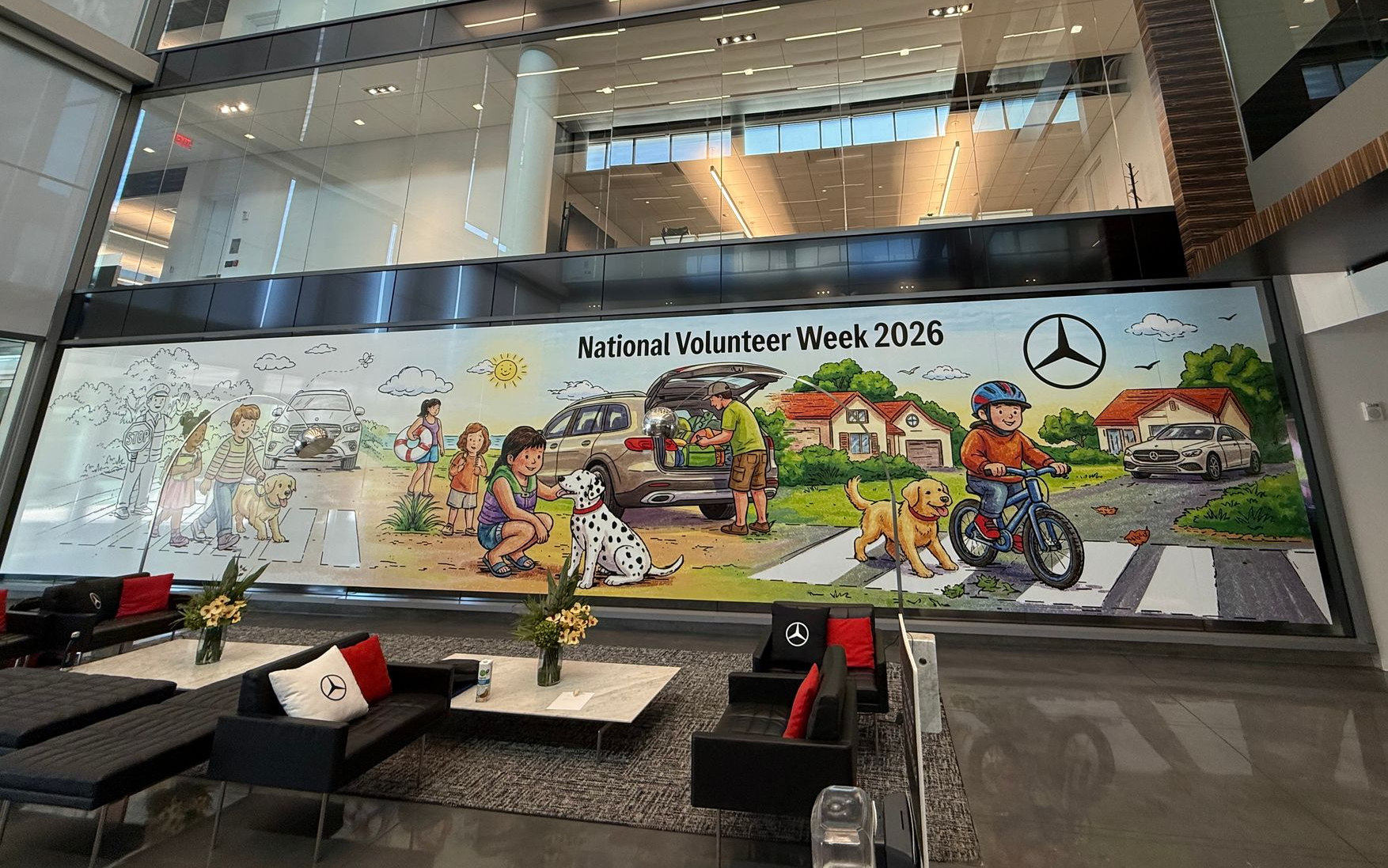
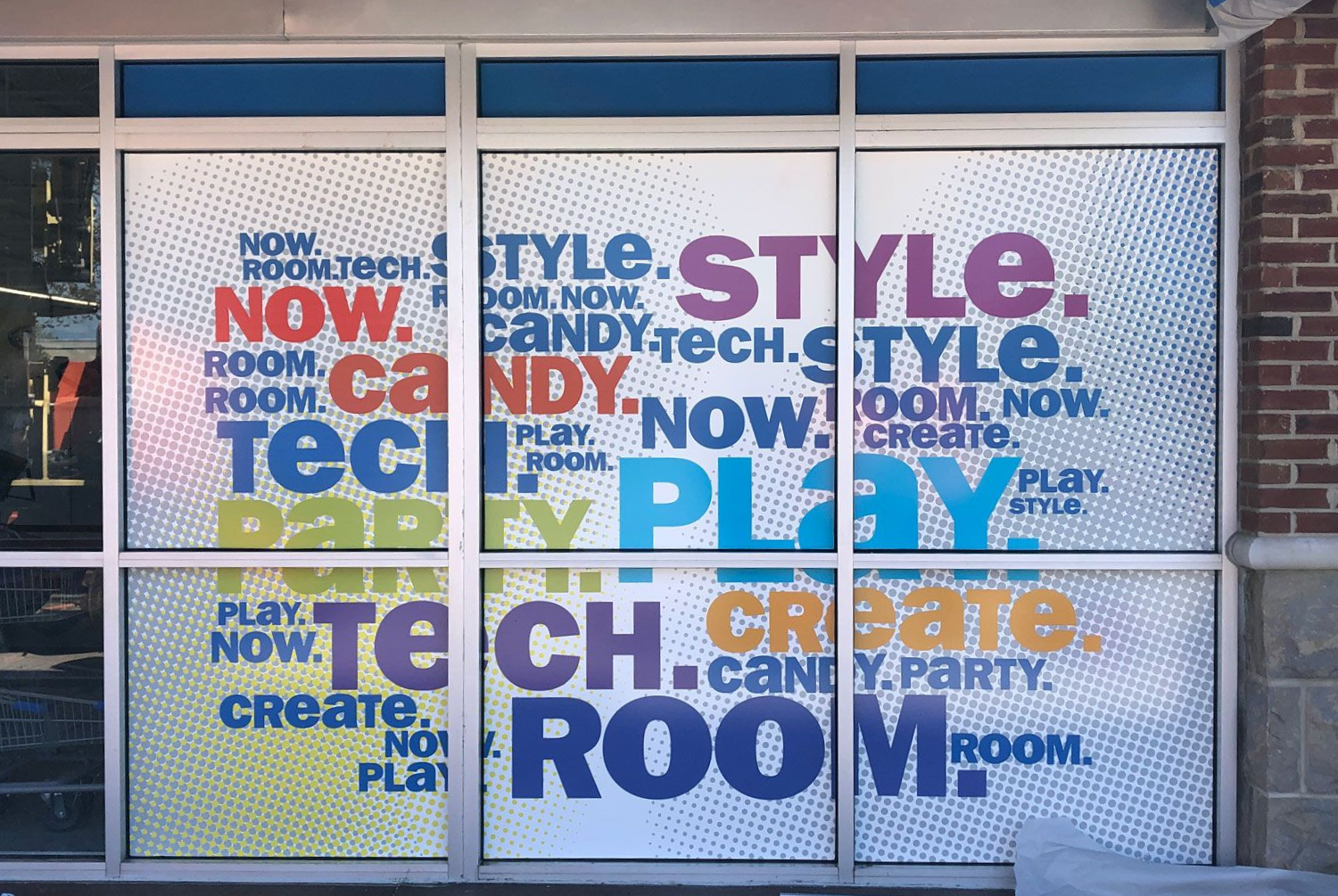
- Decorative branding or design enhancements
Many Atlanta businesses combine multiple film types throughout a building—for example, solar control film on exterior-facing glass and privacy film in internal meeting rooms. This layered approach maximizes both functionality and aesthetic consistency.
Proper product selection requires understanding not just the glass type, but also building codes, exposure direction, and long-term maintenance expectations.
Long-Term Performance and Professional Installation Considerations
The effectiveness of architectural window film depends heavily on installation quality. Improper application can lead to bubbling, peeling, optical distortion, or reduced lifespan. In commercial environments, precision installation ensures a clean, uniform appearance across large glass surfaces.
Professional installation typically begins with detailed surface preparation, including thorough cleaning and debris removal. Film is then carefully measured, cut, and applied to minimize seams and visible edges. Attention to detail ensures consistent clarity and durability.
Beyond installation, long-term performance also depends on choosing films engineered for commercial use. High-quality architectural films are designed to resist discoloration, adhesive failure, and environmental wear—particularly important in Atlanta’s high-heat conditions.
Businesses evaluating window film installation should consider:
- Building orientation and sun exposure patterns
- Existing HVAC performance and energy costs
- Privacy requirements by department or space
- Compliance with local building codes
- Scalability across multiple Southeastern locations
For companies headquartered in Atlanta but operating across the Southeastern United States, working with a provider experienced in multi-site commercial projects ensures consistency in quality and performance standards.
Architectural window and glass film installation represents a strategic upgrade that enhances comfort, privacy, security, and visual appeal without the expense of full window replacement. In high-visibility commercial environments, these improvements contribute to both operational efficiency and professional presentation.