Anti-Graffiti Film in Atlanta: A Smarter Way to Protect Storefront Glass and Commercial Surfaces
One Scratch Can Turn Into an Expensive Glass Replacement
Commercial glass is a major part of the appearance of a building. Storefront windows, glass entry doors, lobby panels, elevator surfaces, and interior partitions all contribute to how customers, tenants, and visitors experience a property. Unfortunately, those same surfaces can also be vulnerable to scratches, etching, tagging, and other forms of vandalism.
When architectural glass is damaged, the problem is often more than cosmetic. Deep scratches and etched graffiti can be difficult or impossible to polish out completely, especially on large or specialty glass panels. In many cases, the only traditional solution is to replace the glass, which can become expensive very quickly.
Anti-graffiti film gives commercial property owners and facility managers another option. Instead of leaving the original glass completely exposed, a clear protective film is installed over the surface. If the outer layer is scratched or damaged, the film can often be removed and replaced without replacing the underlying glass.
Why Glass Damage Adds Up So Fast
A single scratch may not seem like a major issue at first, but repeated damage can quickly make a storefront or commercial entrance look neglected. For businesses that rely on appearance and foot traffic, damaged glass can affect the overall impression of the property.
Large architectural glass panels can also be costly to replace because the expense goes beyond the glass itself. Removal, disposal, fabrication, delivery, labor, and installation may all be involved. If the glass is oversized, custom, tinted, laminated, or otherwise specialized, the replacement process can become even more complicated.
- Scratched storefront windows: Repeated surface damage can reduce visibility and make a retail entrance look worn.
- Etched graffiti: Acid etching or deep scratching may permanently alter the surface of the glass.
- Damaged entry doors: High-contact areas can be especially vulnerable to repeated marks and scratches.
- Elevator and lobby surfaces: Interior glass and polished surfaces can also be damaged in high-traffic areas.
- Repeated vandalism: Properties with recurring problems may face replacement costs more than once.
- Customer-facing appearance: Visible damage can affect the professional image of a retail, hospitality, or office property.
This is where anti-graffiti film in Atlanta, GA can make sense as a preventative measure. The goal is not to make a building vandal-proof. Instead, the film creates a replaceable outer surface that helps protect the more expensive material underneath.
For property managers, retailers, restaurants, offices, hotels, schools, and other commercial facilities throughout Metro Atlanta, that can mean a more manageable response when surface damage happens. Rather than treating every scratch or etched mark as a potential glass replacement project, the protective layer can become the first line of defense.
Commercial glass protection can be especially valuable on properties where appearance matters, where public contact is frequent, or where replacing architectural glass would be disruptive and expensive. For these locations, installing protection before damage occurs can be far easier than reacting after the glass has already been permanently marked.
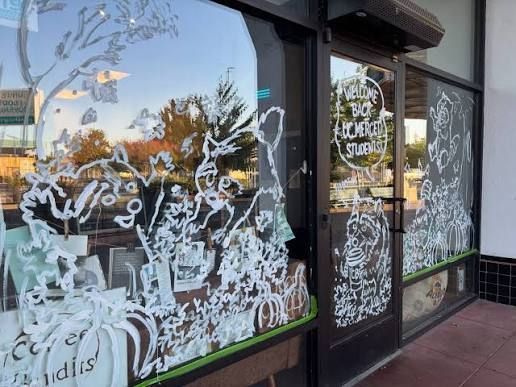
A Sacrificial Layer Can Take the Damage Instead of the Glass
Anti-graffiti film works by creating a protective layer over the original surface. The film is intended to take the wear, scratches, and marks that would otherwise reach the glass underneath. If that protective layer becomes damaged, it can be replaced while the original glass remains in place.
This type of film is sometimes described as a sacrificial film because the outer layer is designed to be replaceable. That can be particularly useful on storefronts and commercial properties that have already experienced repeated scratching, tagging, or vandalism.
The approach can also be useful in areas where full glass replacement would be difficult or disruptive. A business may not want to close an entrance, remove a large storefront panel, or schedule a more involved replacement project every time surface damage occurs.
With professional installation, protective film can maintain a clean and polished appearance while helping shield the underlying surface. This makes it suitable for many customer-facing and high-traffic environments where both appearance and durability matter.
- Retail storefronts: Protect highly visible glass that faces sidewalks, parking lots, and public areas.
- Restaurants: Help preserve glass doors, windows, and other surfaces near entrances and patios.
- Office buildings: Protect lobby glass, entry doors, and high-traffic common areas.
- Hotels: Maintain a polished appearance in entrances, elevators, and shared spaces.
- Elevators: Protect glass or smooth surfaces that are vulnerable to scratching and tagging.
- Schools and institutional buildings: Add protection in high-contact public areas.
- Transit and public facilities: Help reduce the cost of repeated surface damage in heavily used environments.
Where Protective Film Makes the Most Sense
Anti-graffiti film is especially practical in places where the surface is expensive to replace or exposed to frequent public contact. Properties that have already experienced vandalism are obvious candidates, but the film can also be installed proactively in high-risk locations.
A downtown storefront, parking structure, transit-related building, or highly trafficked commercial entrance may be more likely to experience scratches and marking than a low-traffic interior office. The value of the film depends on the location, the cost of the underlying material, and the likelihood of damage.
It can also make sense on specialty architectural glass. If a panel is custom-sized, tinted, decorative, laminated, or difficult to source, protecting it may be far more economical than replacing it later.
Protection Can Be Part of a Larger Glass-Film Strategy
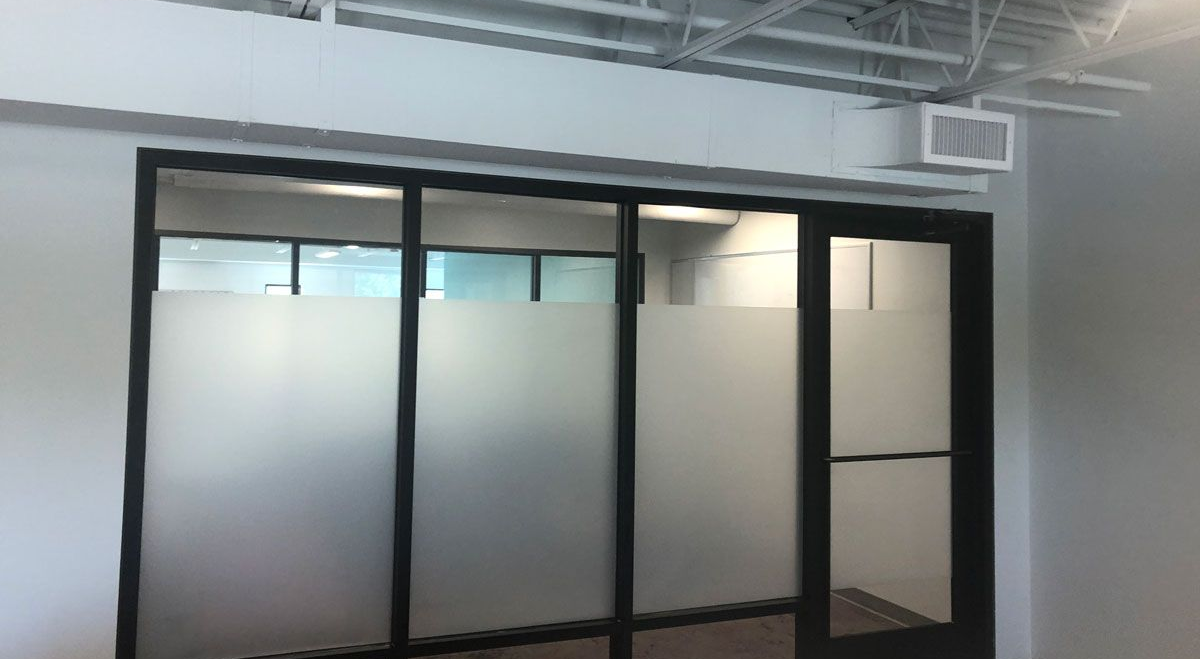
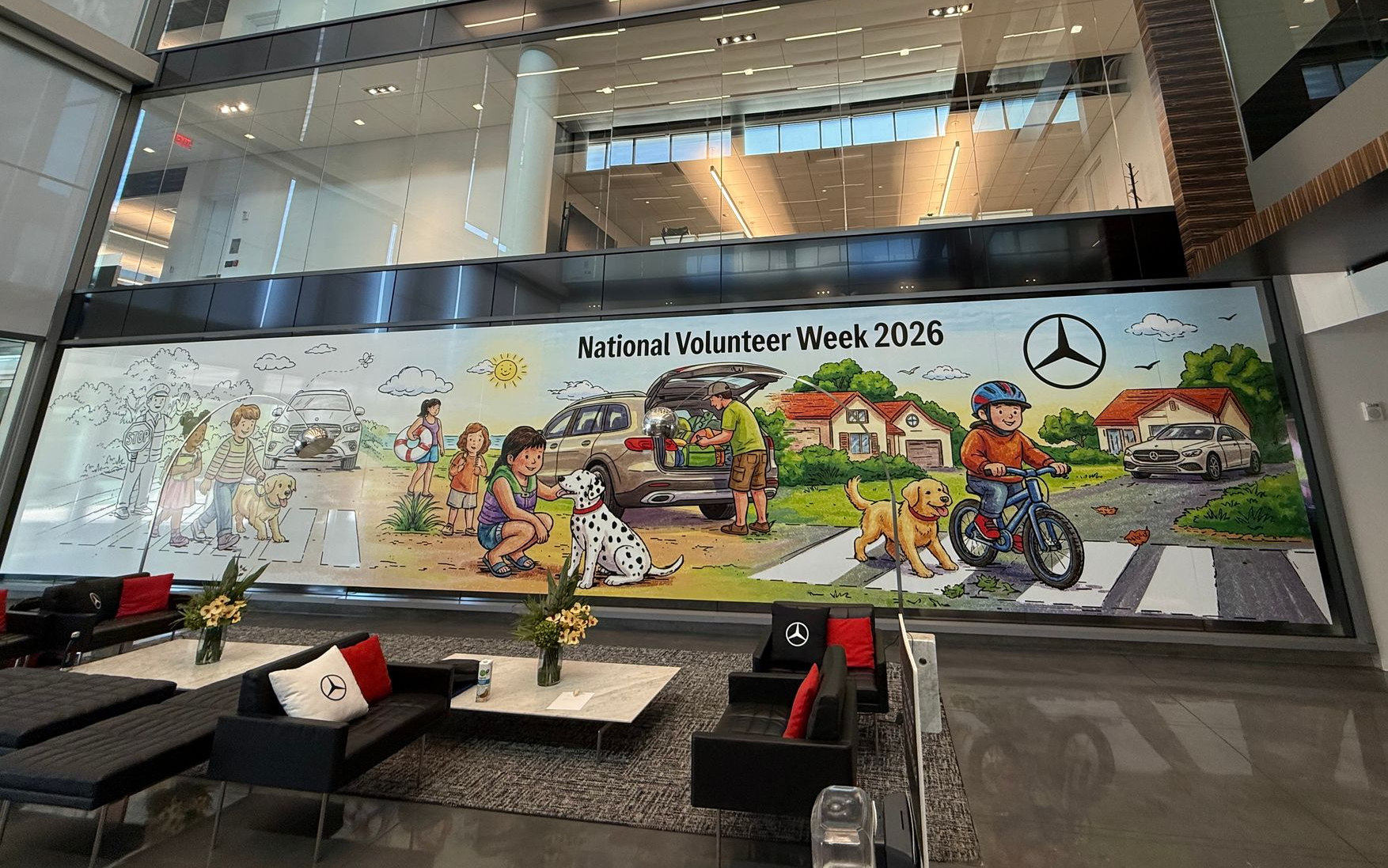
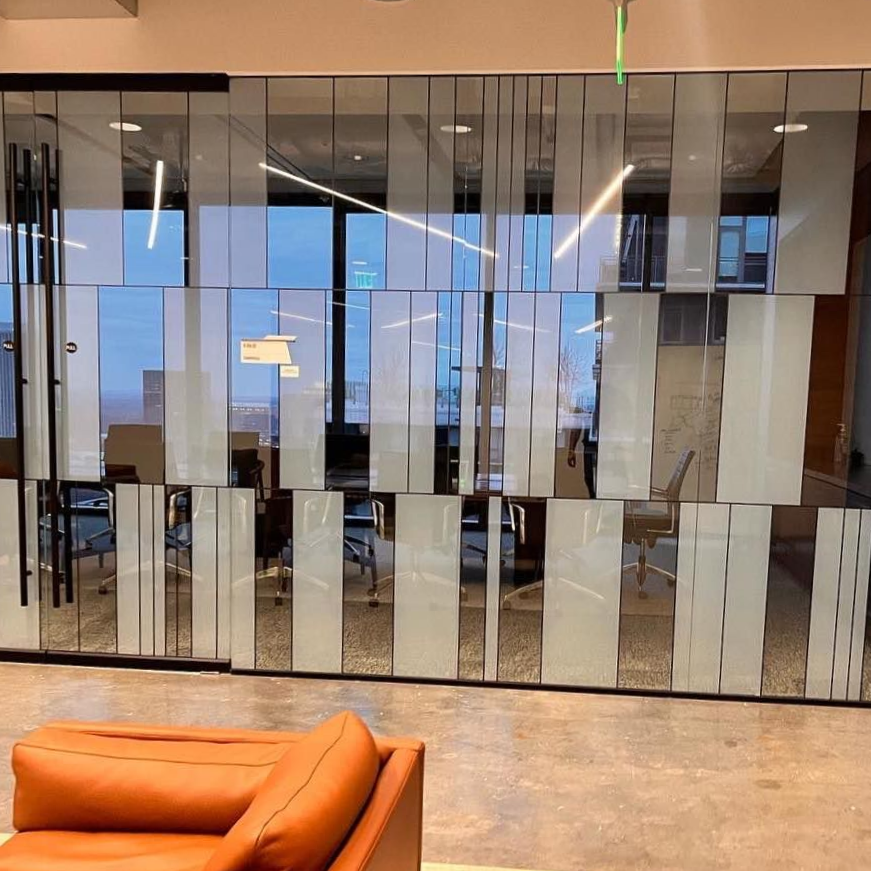
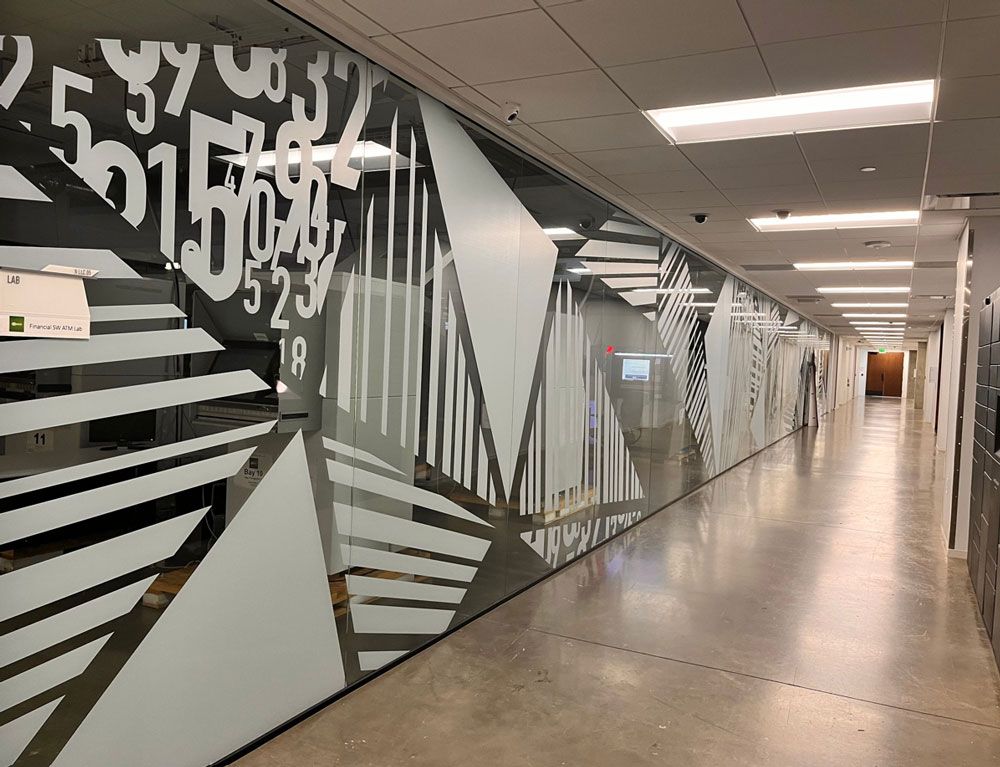
One advantage of working with an architectural finishes company is that anti-graffiti film does not have to be treated as a completely separate project. A property may also need privacy film, decorative film, solar-control film, branding graphics, or other specialty glass treatments.
For example, a retail property may want clear protective film on exterior storefront glass while using decorative or branded film on interior partitions. An office building may combine protective film at public entrances with privacy film in conference rooms. A hospitality property may use different film types throughout the same building depending on the function of each surface.
For businesses searching for graffiti protection film in Atlanta, commercial glass protection, or storefront protection film in Metro Atlanta, thinking about the entire property can help create a more consistent and practical solution.
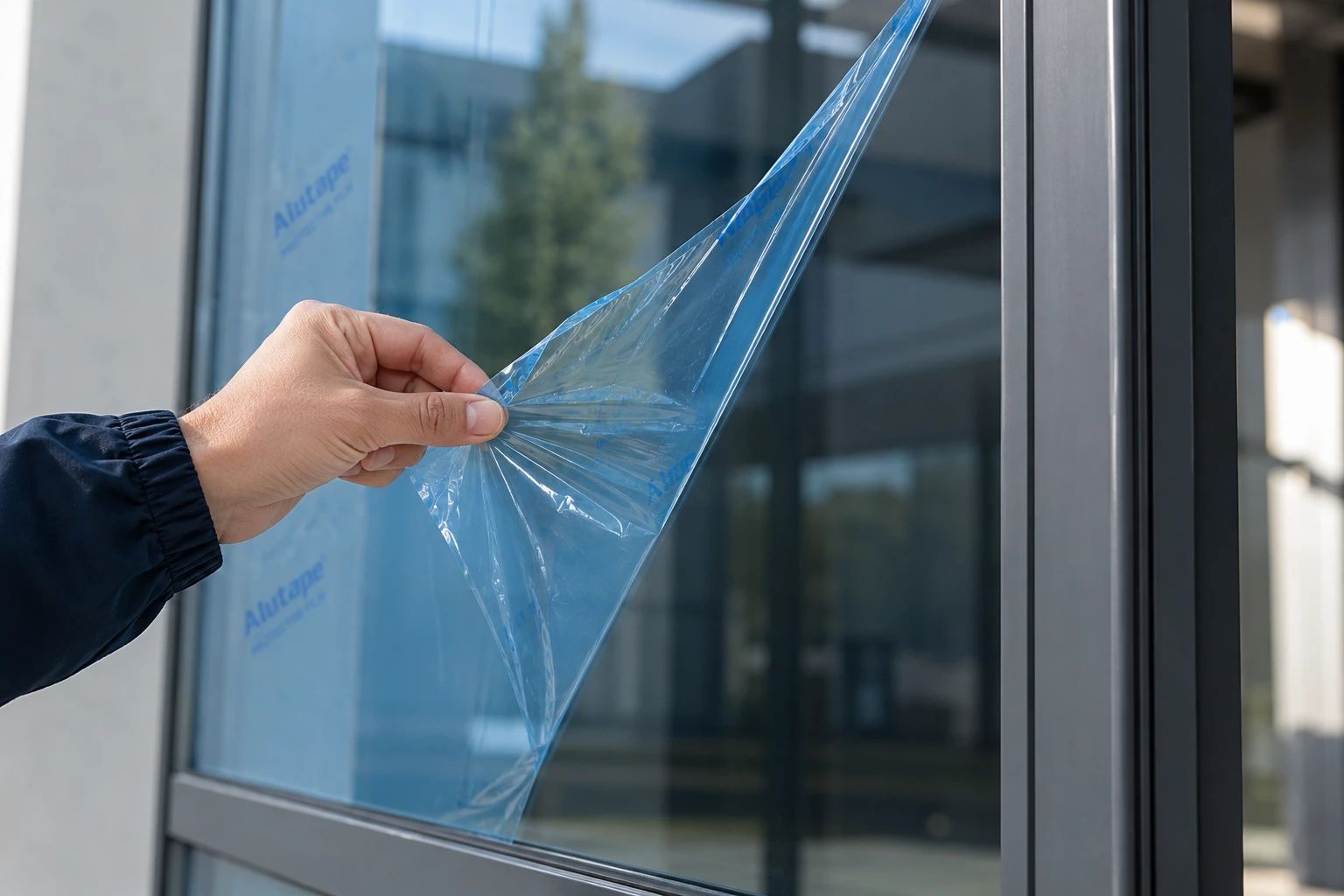
Protect the Surface Without Making the Building Look Covered Up
One of the biggest concerns property owners may have about protective film is appearance. Commercial properties depend on clean lines, clear glass, and a professional presentation, so the protective solution should not make the building look temporary or unfinished.
Professional installation matters because the film needs to be applied cleanly and evenly. Proper preparation, precise trimming, and careful finishing around edges all affect the final result. When the application is done well, the protection can remain visually subtle while still providing a replaceable outer layer.
This is especially important for storefronts, hotels, offices, and other properties where customers and visitors see the glass up close. A protective product is only useful if it also supports the appearance of the space.
Why Protective Film Can Be Easier to Maintain Than Replacing Glass
Anti-graffiti film changes the maintenance strategy. Instead of treating the original glass as the sacrificial surface, the film becomes the replaceable component.
If the film is scratched, tagged, or damaged, the affected section can be evaluated and replaced. This can be much less disruptive than removing and replacing a full architectural glass panel, particularly at an active commercial property.
This approach can also help property managers budget more predictably for recurring damage. While no protective film can prevent every type of vandalism or impact, it may reduce the frequency with which expensive underlying surfaces need to be replaced.
- Identify which glass or smooth surfaces experience the most public contact.
- Review whether scratching, tagging, or etching has happened at the property before.
- Consider how expensive the existing glass would be to replace.
- Determine whether the surface is indoors, outdoors, or exposed to changing conditions.
- Consider how visible the area is to customers, tenants, and visitors.
- Review whether privacy, decorative, solar, or branding film is also needed elsewhere on the property.
- Plan for how damaged film would be inspected and replaced in the future.
The best candidates are often surfaces that combine high visibility with high replacement cost. Storefront windows, entry doors, lobby glass, elevator surfaces, and other public-facing areas are good examples because damage can affect both appearance and maintenance expenses.
Commercial Anti-Graffiti Film Installation in Atlanta and the Southeast
Simple Architectural Finishes provides specialty architectural film and surface solutions for commercial properties in Atlanta and throughout the Southeast. Their services include protective window films, decorative films, privacy solutions, graphics, and other architectural finishes designed to enhance and protect commercial spaces.
For property managers and business owners in Atlanta, Woodstock, Marietta, Alpharetta, Roswell, Sandy Springs, and surrounding Metro Atlanta communities, anti-graffiti film can be a practical way to protect valuable glass without sacrificing the appearance of the building.
The service can also be valuable for larger commercial portfolios and multi-location businesses throughout the Southeast. Properties with repeated vandalism, expensive architectural glass, or high-traffic public surfaces may benefit from using protective film as part of a broader maintenance and design strategy.
If you are searching for anti-graffiti film in Atlanta, GA, graffiti protection film, commercial glass protection, storefront protection film, or protective window film in the Southeast, Simple Architectural Finishes can help determine which surfaces should be protected and how the film can be incorporated into the overall appearance of the property.